
 Image 1 of 6
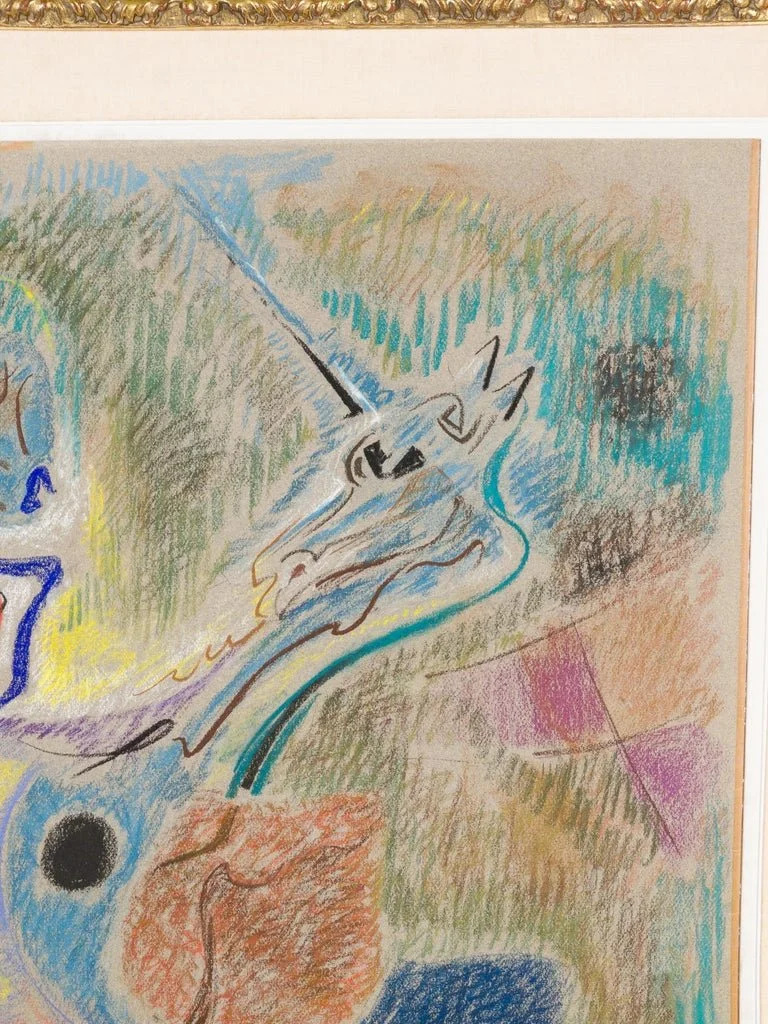 Image 2 of 6
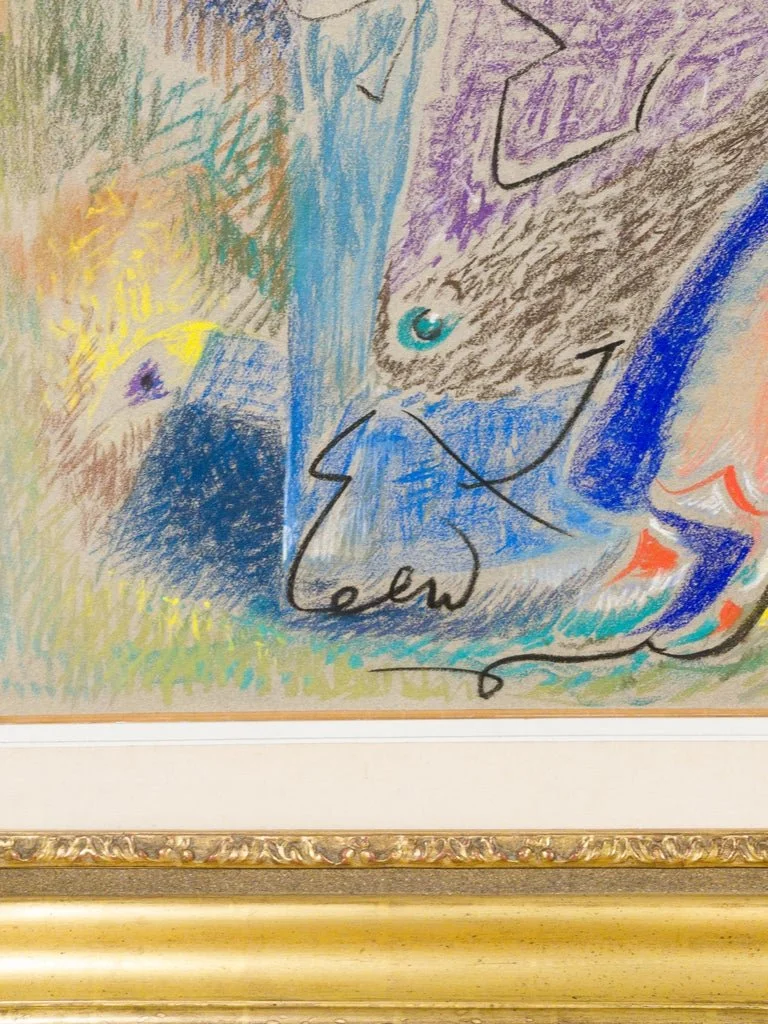 Image 3 of 6
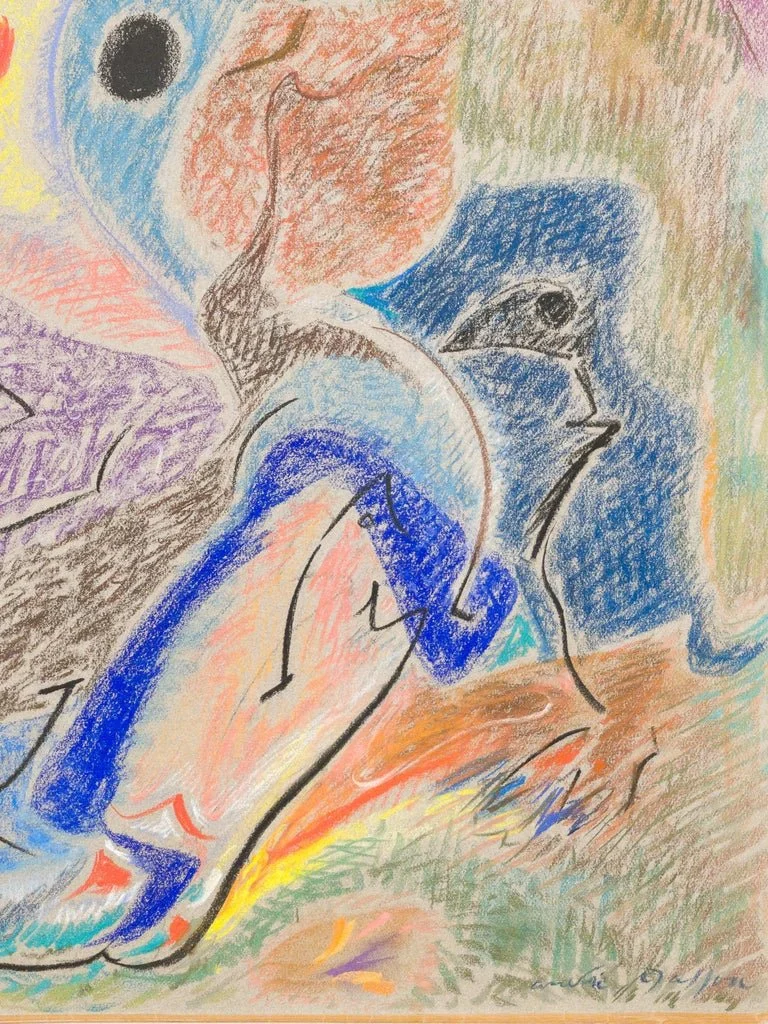 Image 4 of 6
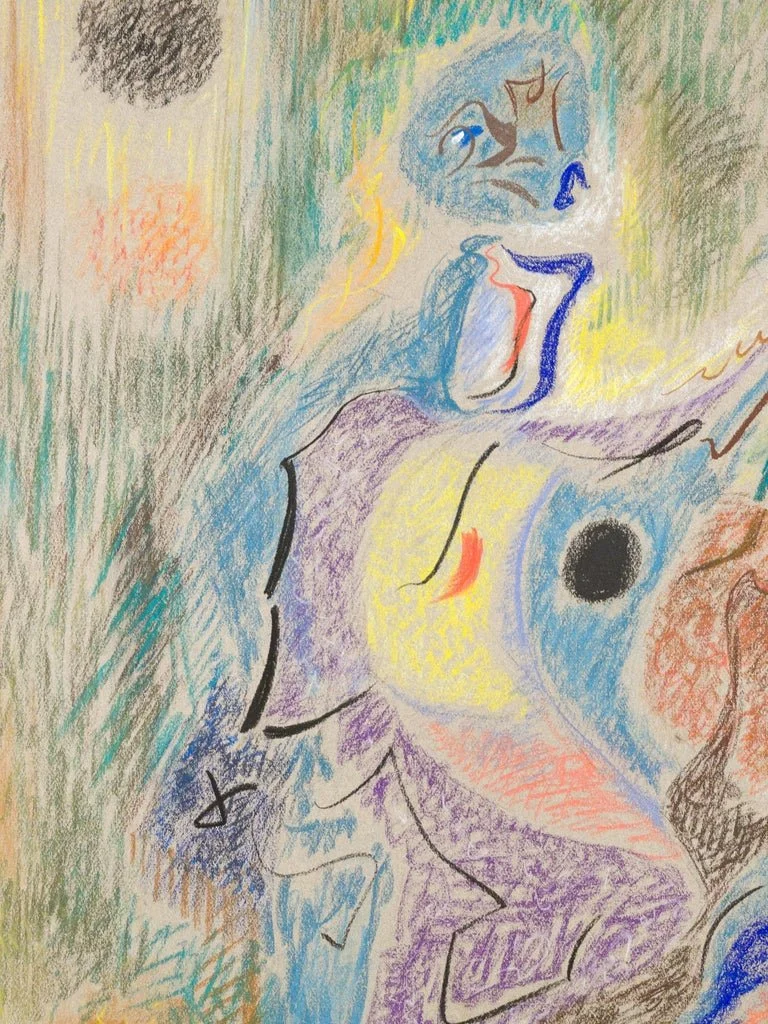 Image 5 of 6
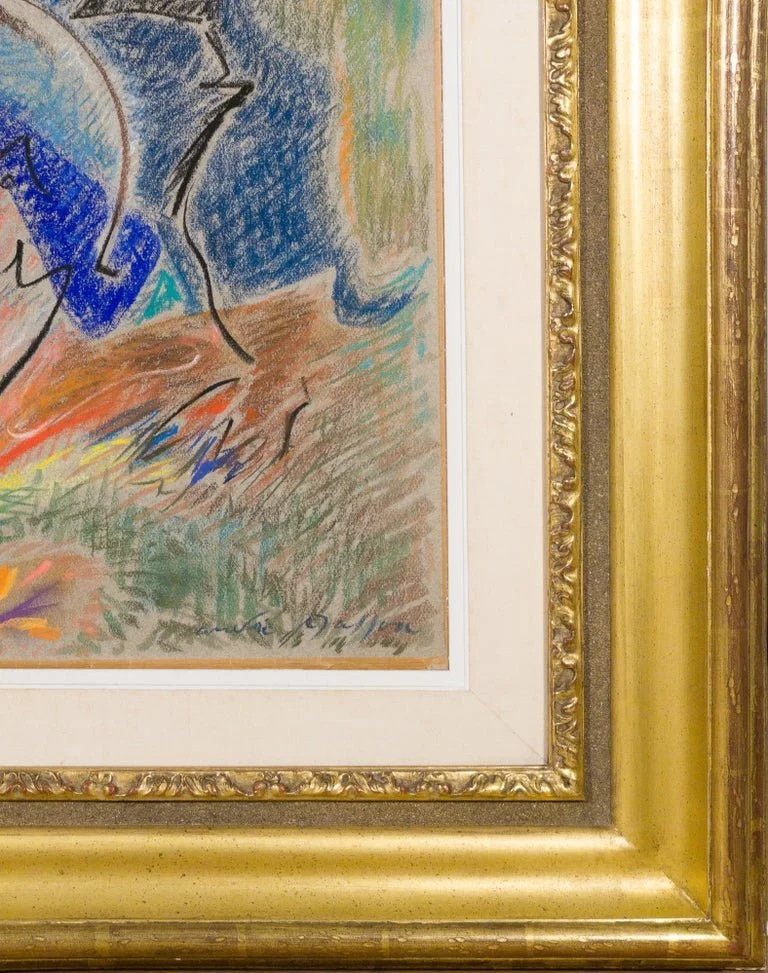 Image 6 of 6
Artist Bio
André Masson was a highly influential Surrealist who shaped much of the way contemporary audiences see the movement’s development. After studying at the Academie des Beaux-Arts and the Ecole des Beaux-Arts, Masson joined the Surrealists in Paris in 1924 with artists like Andre Breton and Joan Miró. This movement deals with subconscious and repressed influences on the human psyche, exploring ways to unveil this subconscious and letting go of conscious blockages. Masson addressed this central tenet particularly through the development of automatic drawing, a technique that required the artist to let the hand wander free of the mind’s influence in producing art. He is seen as one of the primary pioneers of this revolutionary technique.
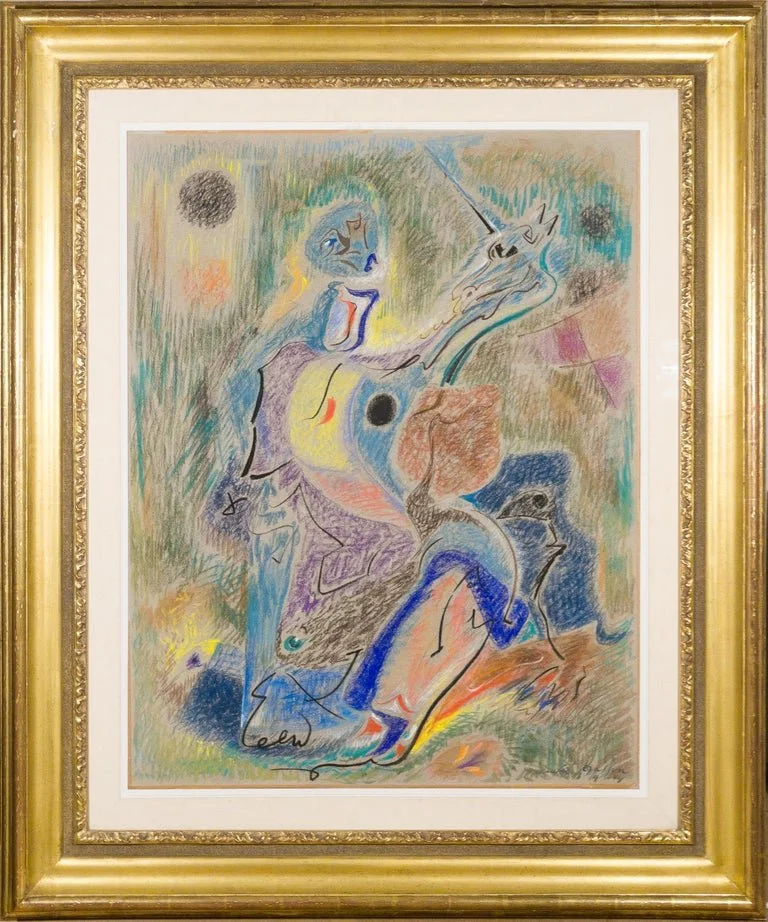
In 1946, when Masson returned to France from his travels in America, he developed a unique style of calligraphy that was influenced by Zen Buddhism, Impressionism, and Abstract Expressionism. This automatic style of writing is well seen in the drawing “La Velleda,” which was produced a year after he returned to France. His development of automatic drawing within the Surrealist movement is not far removed from this calligraphic style, which is highly undecipherable and abstract, using bold lines (typical of handwriting) combined with color to create a unique and unreadable form.
In 1945, Masson was awarded the Grand Prix National des Arts. He was a great influence upon Abstract Expressionists like Jackson Pollock, and remains a highly respected and collected artist to this day.